Pet Owners

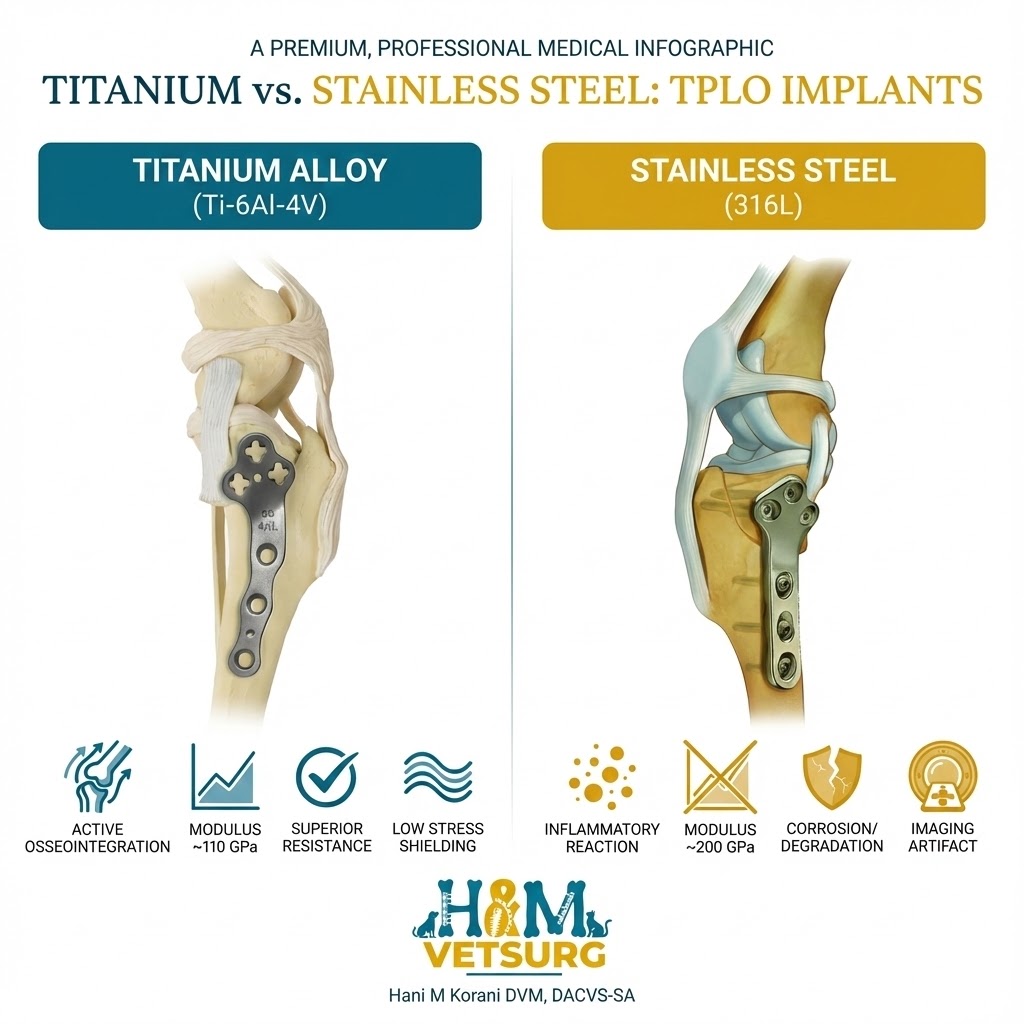
Tibial Plateau Leveling Osteotomy (TPLO) - Featuring Premium Titanium Implants

Specialist Care for Your Furthest Family Member

What is a "Board-Certified" Veterinary Surgeon?

First, let’s clarify the term. When you see “certified,” it typically refers to a veterinarian who is a Diplomate of the American College of Veterinary Surgeons (ACVS). This is a significant credential that means the veterinarian has:
  1. Completed four years of veterinary school (DVM degree).
  2. Completed a one-year internship for advanced training.
  3. Completed a rigorous three-year surgical residency program.
  4. Published research in a peer-reviewed journal.
  5. Passed a difficult multi-day examination to earn the title of Diplomate.
This specialization makes them experts in complex procedures involving soft tissue, orthopedics, and neurosurgery.

Your Pet is in Expert Hands

What it Means When Your Veterinarian Recommends a Surgical Specialist

Think of a board-certified surgeon like a specialist for people, such as a cardiologist or an orthopedic surgeon. We have completed years of additional, intensive training and rigorous examinations focused solely on surgery. We partner with your trusted family veterinarian to provide this next level of care.

Why Mobile surgery is Great for Your Pet:

Familiar Environment

The pet undergoes surgery at your regular vet’s office, a place they already know. This significantly reduces the anxiety for both the pet and the owner, who avoid the stress of a large, unfamiliar hospital.

Logistical Simplicity

You don’t have to deal with the hassle of finding and traveling to a separate specialty center, which in the Bay Area can mean navigating significant traffic and parking challenges. All pre-op and post-op care happens at one convenient location.

Potential Cost Savings

While not always the case, a mobile surgeon often has lower overhead than a massive specialty hospital, which can sometimes translate into more affordable pricing for advanced procedures.

The Journey: From Consultation to Recovery

Step 1: The Consultation (with your veterinarian)

Your journey starts with your family vet, who has diagnosed a condition that may require surgery and has recommended our specialized services.

Step 2: Preparing for Surgery Day

The Night Before: Please ensure your pet has no food after [time 10 PM]. Water is okay until the morning.
The Morning Of: Give them a chance to go to the bathroom outside, but no breakfast! Please arrive at your vet’s office at your scheduled drop-off time.

Step 3: On Surgery Day

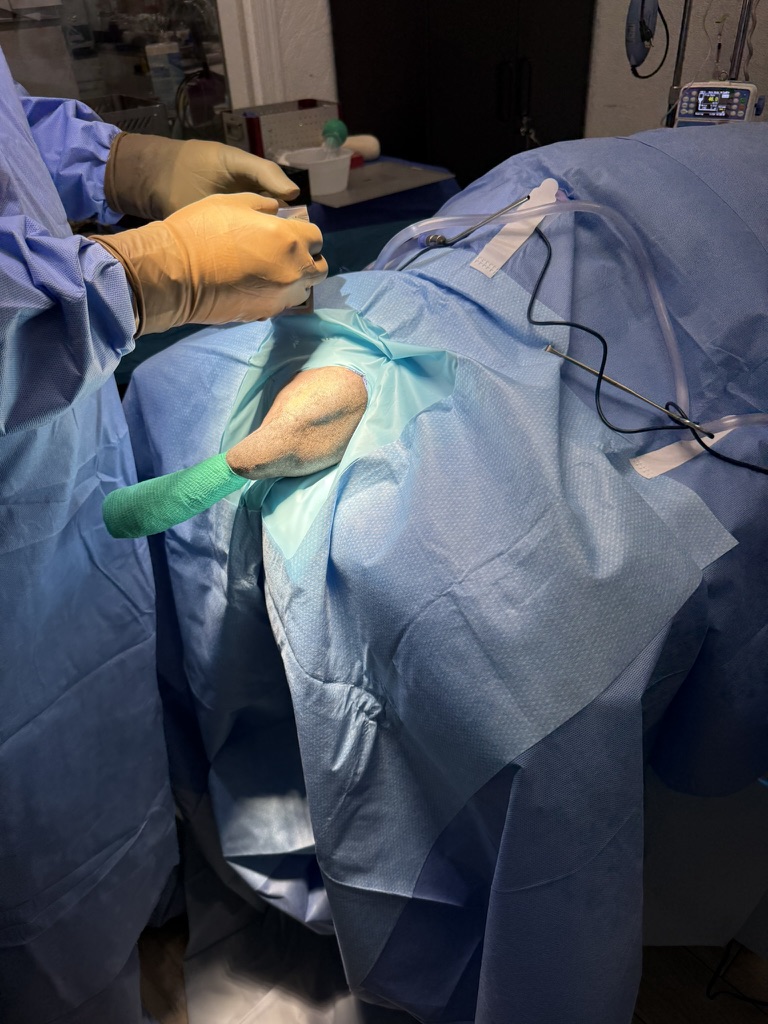
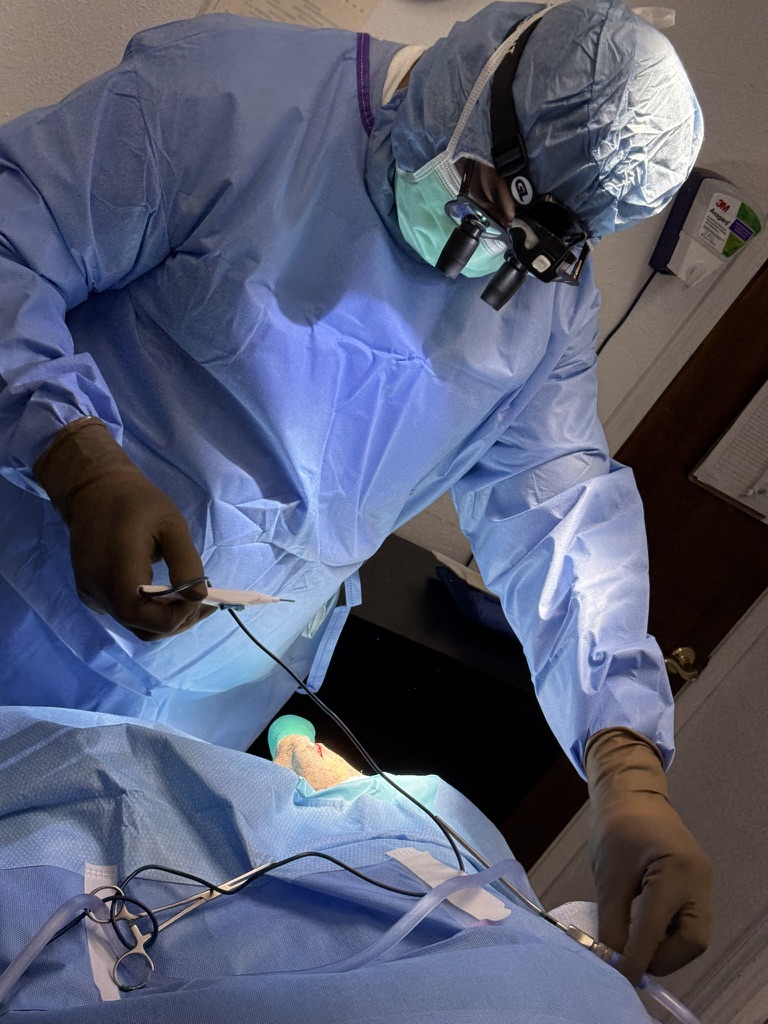
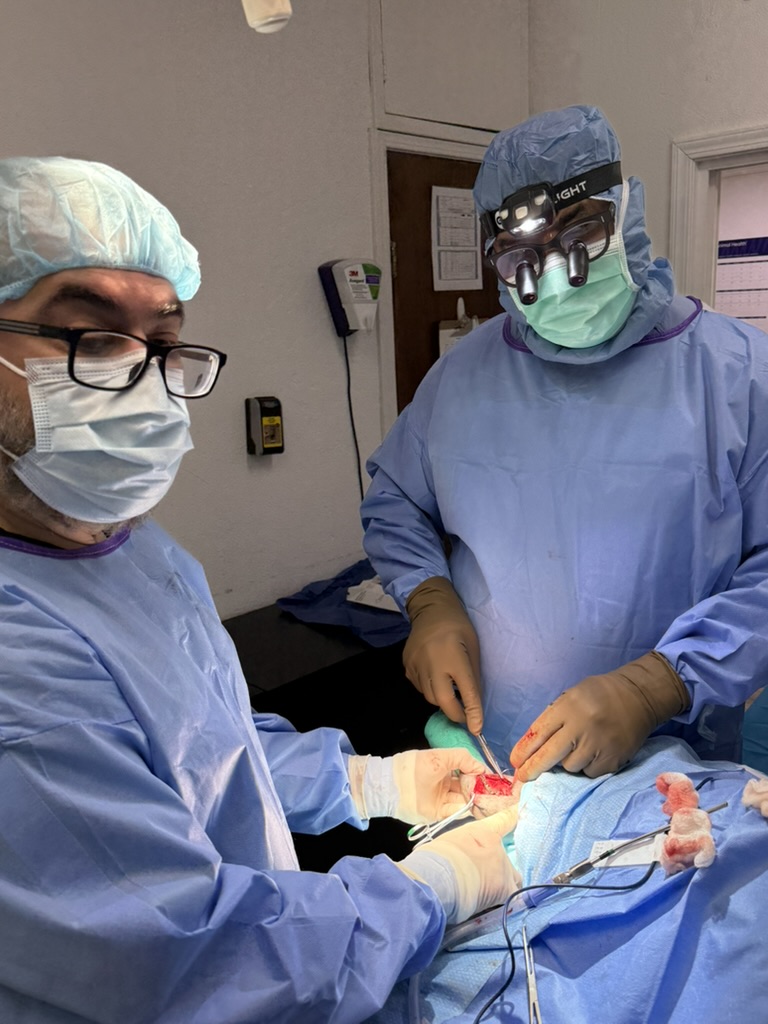
While you are at home or work, your pet will be made comfortable and safe. A dedicated veterinary nurse will monitor them from the moment they are given pre-operative sedation, throughout the entire surgery, and until they are fully awake. Their comfort and safety are our absolute priorities.
Step 4: Going Home

You will receive a call from your veterinarian as soon as the procedure is finished. We will provide detailed, written instructions for care at home, and your vet will go over them with you when you pick up your pet.

Your Role in a Successful Recovery

Resources Links